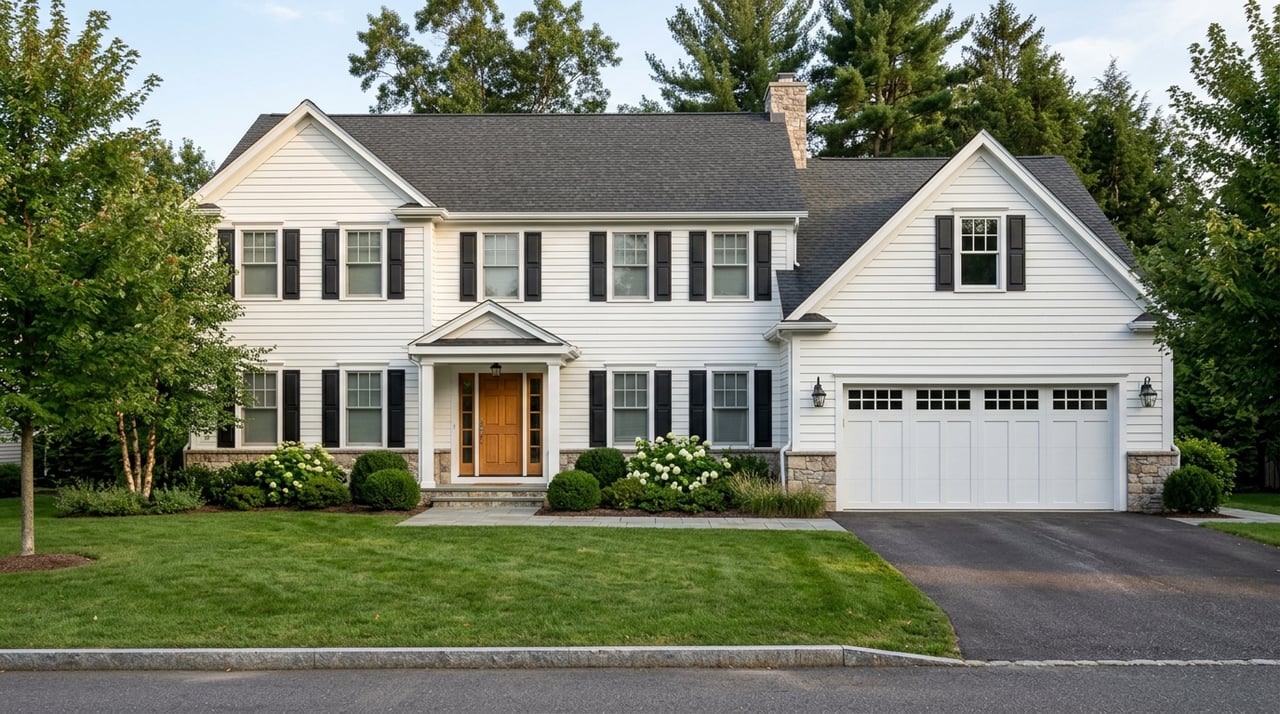
Thinking about trading Massachusetts for more space in Southern New Hampshire? If Londonderry is on your radar, you’re probably wondering how daily life, home prices, taxes, and the buying process will really compare. The good news is that Londonderry offers a familiar regional feel with some meaningful differences that can work in your favor. Let’s dive in.
How Londonderry feels different from Massachusetts
For many Massachusetts movers, the first noticeable shift is not just distance from Boston. It is the overall pace and layout of daily life. Londonderry is a larger, more spread-out town that blends suburban convenience with a rural character that local planning documents still emphasize.
Town materials describe Londonderry as a place that values apple orchards, community events, and access to nature, while also seeing growth near the airport and Interstate 93 corridors. That means your move may feel less like switching one dense suburb for another and more like stepping into a town with more breathing room. If you are used to tighter neighborhoods and shorter distances between errands, that change often stands out right away.
Londonderry had an estimated population of 27,844 in July 2025, with 42.0 square miles of land area and a population density of 631.5 people per square mile. Compared with many Massachusetts suburbs, that often translates to a more spread-out feel, more driving, and more single-family housing.
Taxes in Londonderry to know
One of the biggest reasons Massachusetts buyers look north is the tax structure. New Hampshire does not impose a sales tax on purchases made in the state, and state materials also describe New Hampshire as not taxing personal earned income. Massachusetts, by contrast, taxes sales at 6.25% and wages at 5%.
That does not mean housing costs disappear or that every household automatically spends less overall. It does mean your day-to-day budgeting and long-term planning may look different once you live in New Hampshire. For many buyers, this is one of the clearest financial shifts to understand before making a move.
In Londonderry specifically, the 2025 property tax rate is $14.47 per $1,000 of assessed value. If you are comparing monthly ownership costs between Massachusetts and New Hampshire, it helps to look at the full picture, including home price, taxes, commuting costs, and how much house you want.
Commuting in Londonderry is more car-first
If you are coming from an area where commuter rail, transit access, or walkable errands play a bigger role, Londonderry may feel more car-dependent. Official town and New Hampshire Department of Transportation materials connect the town closely to I-93, Exit 4, Exit 5, and Route 102. The town also notes that about 61,800 cars per day use I-93 at Exit 4.
In practical terms, your routine will likely revolve around highway access. You may find yourself choosing a home based on how quickly you can reach I-93, Route 102, work, or the airport rather than proximity to a train stop. The town’s transportation resources also point residents to CART rides for local assistance, but the overall rhythm is still road-based.
That does not have to be a drawback. For many buyers, especially those already driving most places, Londonderry’s location can feel convenient and well-connected. You just want to go in expecting a drive-oriented lifestyle rather than a transit-oriented one.
Where buyers tend to focus in Londonderry
Londonderry’s planning documents make one thing clear: growth has clustered near the airport and I-93 exit corridors. Because of that, many buyers find it more useful to think about the town by access pattern and setting rather than by a long list of formal neighborhood names.
For example, if you want easier highway access for commuting, you may naturally focus on areas closer to the I-93 and Route 102 side of town. If you prefer a quieter, more rural feel, you may look farther from the exit corridors. That is not an official neighborhood map, but it is a practical way many buyers compare options.
This kind of search strategy can save time. Instead of starting with labels, start with lifestyle. Think about your weekday routine, weekend priorities, and how much space or convenience you want around you.
Housing in Londonderry is mostly single-family
If your goal is more house, more yard, or a more traditional suburban property, Londonderry is worth a close look. Town housing data show 7,956 single-family units, compared with 407 units in 2-to-4-unit structures, 1,075 units in buildings with five or more units, and 177 mobile homes or other units.
The town’s master plan also says Londonderry’s development pattern remains heavily weighted toward single-family housing. That matters if you are relocating from a Massachusetts market where condos, multifamily properties, and denser development make up a larger share of your choices. In Londonderry, single-family living is still the dominant housing experience.
The town also reports that 76% of households are family households, with a median age of 42.4. For buyers, that gives added context for the overall character of the community and the types of homes that tend to define the market.
What the Londonderry market looks like now
Londonderry may offer more space, but that does not mean the market is easy. As of March 2026, Realtor.com reported 59 homes for sale, a median listing price of $590,000, 59 median days on market, and a 100% sales-to-list-price ratio. It also characterized Londonderry as a seller’s market.
For Massachusetts buyers, that means you should still expect competition, especially for well-located homes and move-in-ready single-family properties. Even if the pace feels different from greater Boston, the market can still reward preparation and quick decision-making.
Renters should also know that the rental market appears limited. Realtor.com reported 12 rental listings and a median rent of $2,100. If you are planning to rent first and buy later, it helps to understand that your options may be narrower than in larger Massachusetts markets.
What your budget may buy here
A Massachusetts move often starts with one big question: will you get more for your money? In Londonderry, the answer may be yes in terms of land, layout, or single-family inventory, but your experience will depend on your target price point and timing.
Because the median listing price was $590,000 in March 2026, many buyers moving from Massachusetts find that Londonderry sits in a middle ground. It may feel more attainable than some high-cost Greater Boston suburbs, but it is not a bargain market. You still need a clear budget, realistic expectations, and a plan for moving quickly when the right home appears.
This is also where local guidance matters. Looking at price alone does not tell you enough about value, condition, workmanship, or long-term fit. If you are comparing several homes across Southern New Hampshire, understanding those differences can help you make a smarter decision.
Timing your move from Massachusetts
If you are selling in Massachusetts while buying in Londonderry, timing matters just as much as price. The financing process alone can take several weeks. Consumer guidance cited in the research report notes a median 44 days from mortgage application to closing and says lenders must provide the Closing Disclosure at least three business days before closing.
Closing costs also matter when you build your moving budget. Research cited in the report says closing costs typically run 2% to 5% of the purchase price. Mortgage rate locks are also commonly 30, 45, or 60 days, which can affect how you plan your offer and timeline.
In Londonderry, the search phase can take time too. With a 59-day median days-on-market figure reported in March 2026, finding the right fit may take as long as, or longer than, the financing window. If you are trying to line up a Massachusetts sale and a New Hampshire purchase, clear scheduling and communication can make the process much smoother.
What daily life in Londonderry may look like
For many people, moving to Londonderry means gaining space and a different pace without leaving Southern New Hampshire’s regional job and travel connections behind. You may have a larger lot, a more residential setting, and easier airport access than you had before. At the same time, you will likely drive more and think about convenience in terms of highway routes, not transit maps.
That mix is exactly why Londonderry appeals to so many buyers. It offers a blend of suburban growth, established single-family housing, and a town identity that still values open space and local character. If that sounds like the lifestyle shift you want, Londonderry can be a strong option.
How to prepare before you move
Before you make the jump from Massachusetts to Londonderry, it helps to get organized around a few basics:
- Review your full monthly budget, not just your target purchase price
- Compare tax differences alongside property taxes and commuting costs
- Decide whether highway access or a quieter setting matters more to you
- Plan for a car-first routine in your daily schedule
- Prepare for a seller’s market with limited inventory
- Build in time if you are coordinating a sale and purchase at once
A move like this is not just about crossing a state line. It is about matching your next home to the way you actually want to live.
If you are weighing a move to Londonderry, having a local guide can make it easier to compare home styles, commute patterns, pricing, and timing with confidence. When you are ready to talk through your options in Southern New Hampshire, connect with Julie McMaster for clear, local guidance tailored to your move.
FAQs
What taxes change when moving from Massachusetts to Londonderry, NH?
- New Hampshire does not impose a sales tax on purchases made in the state and state materials describe it as not taxing personal earned income, while Massachusetts taxes sales at 6.25% and wages at 5%. Londonderry’s 2025 property tax rate is $14.47 per $1,000 of assessed value.
What is the housing market like in Londonderry, NH?
- As of March 2026, Realtor.com reported 59 homes for sale, a median listing price of $590,000, 59 median days on market, and a 100% sales-to-list-price ratio, and it characterized the town as a seller’s market.
What type of homes are most common in Londonderry, NH?
- Londonderry is mostly a single-family market, with town housing data showing 7,956 single-family units, far more than multifamily or larger apartment-style housing options.
What is commuting like in Londonderry, NH?
- Londonderry is generally car-first, with daily travel closely tied to I-93, Exit 4, Exit 5, and Route 102 rather than commuter-rail style options.
Is Londonderry, NH a good fit for Massachusetts buyers looking for more space?
- Many buyers consider Londonderry when they want a more spread-out Southern New Hampshire setting, more single-family housing options, and a lifestyle that blends suburban convenience with rural character.
How long does it take to buy a home when moving to Londonderry, NH?
- Research cited in the report notes a median 44 days from mortgage application to closing, but your full timeline can be longer because the home search itself may take time in a market with 59 median days on market.